







Best Case History Award
Descrizione del progetto e contesto applicativo
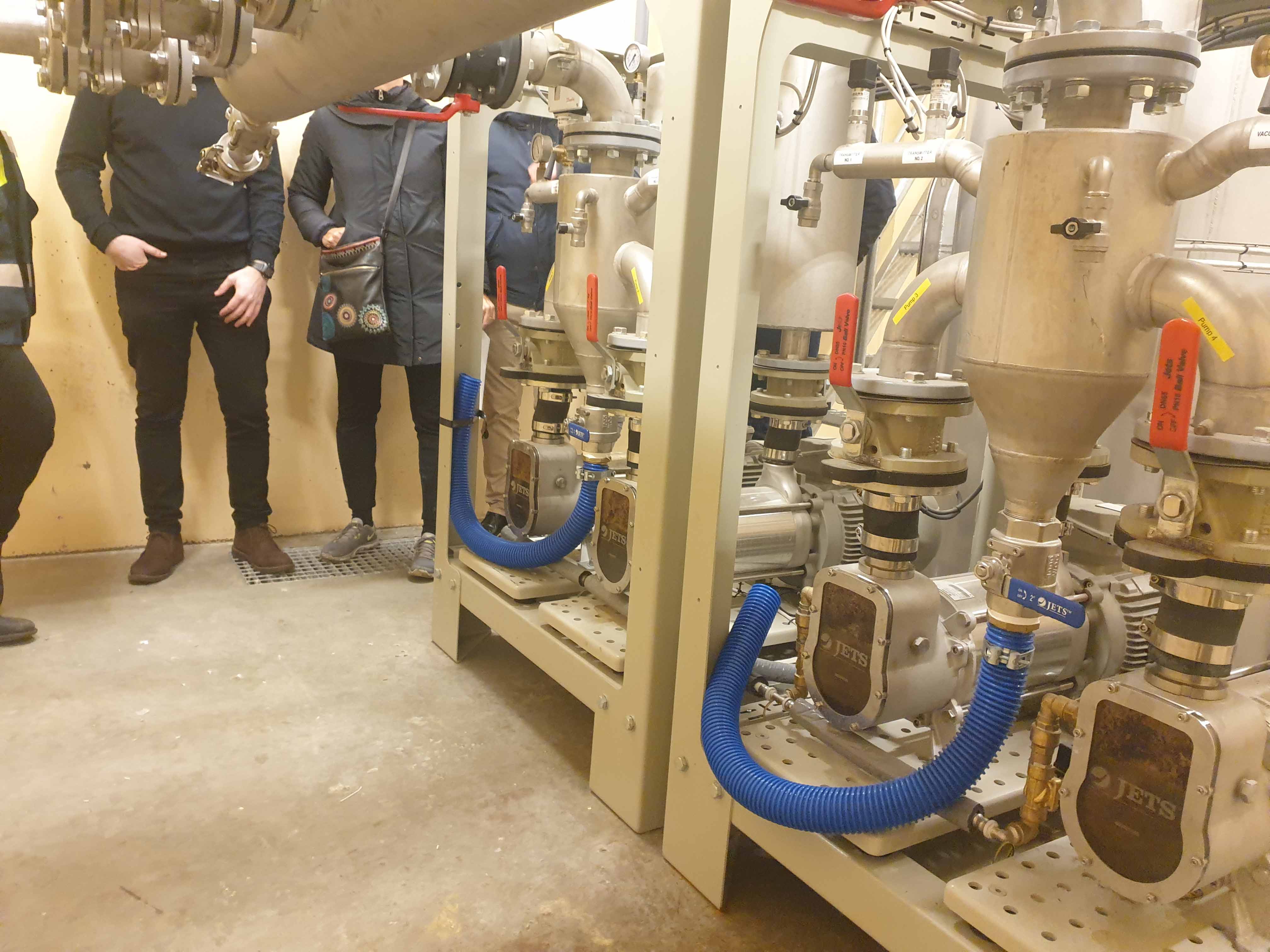
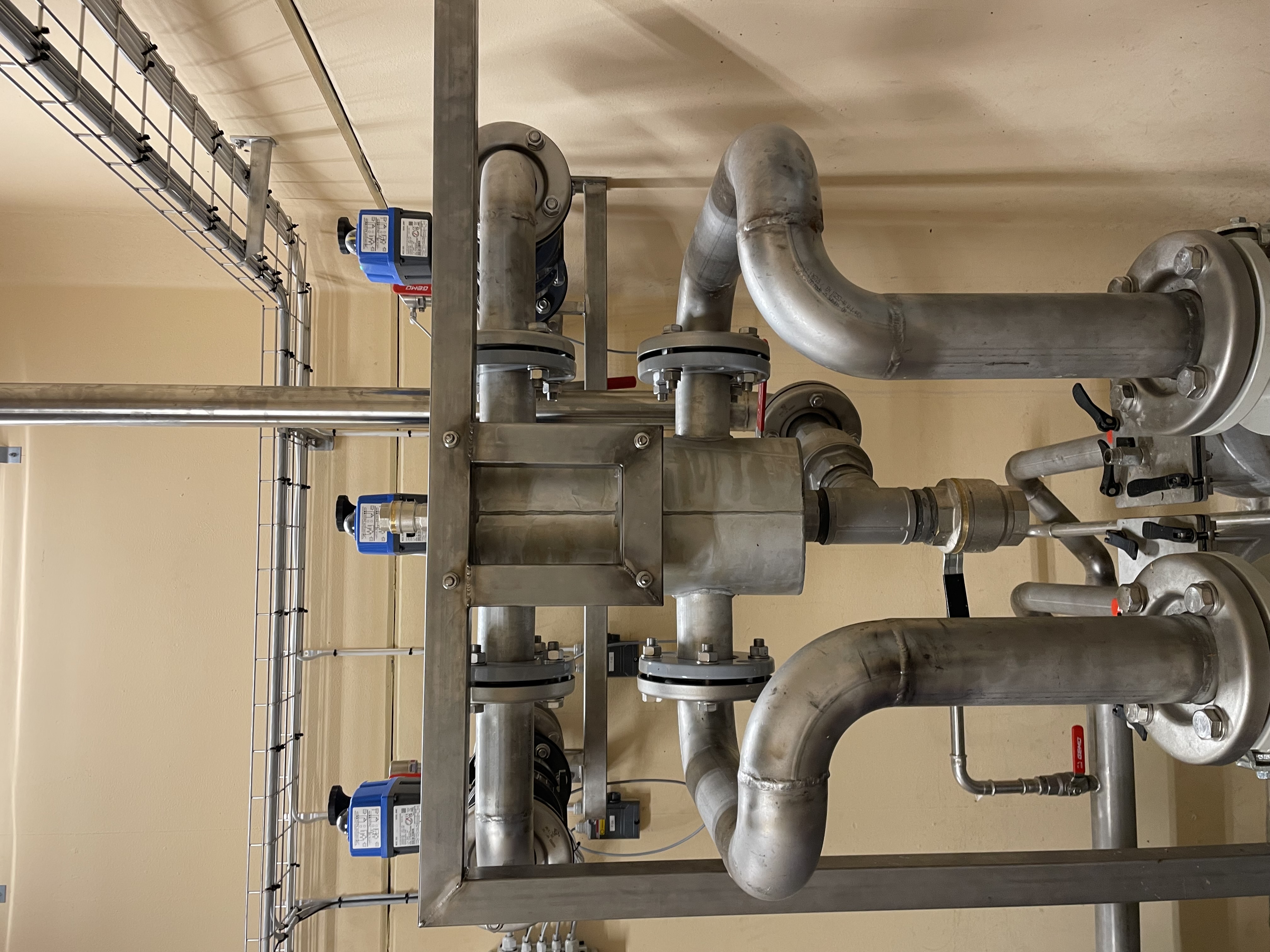
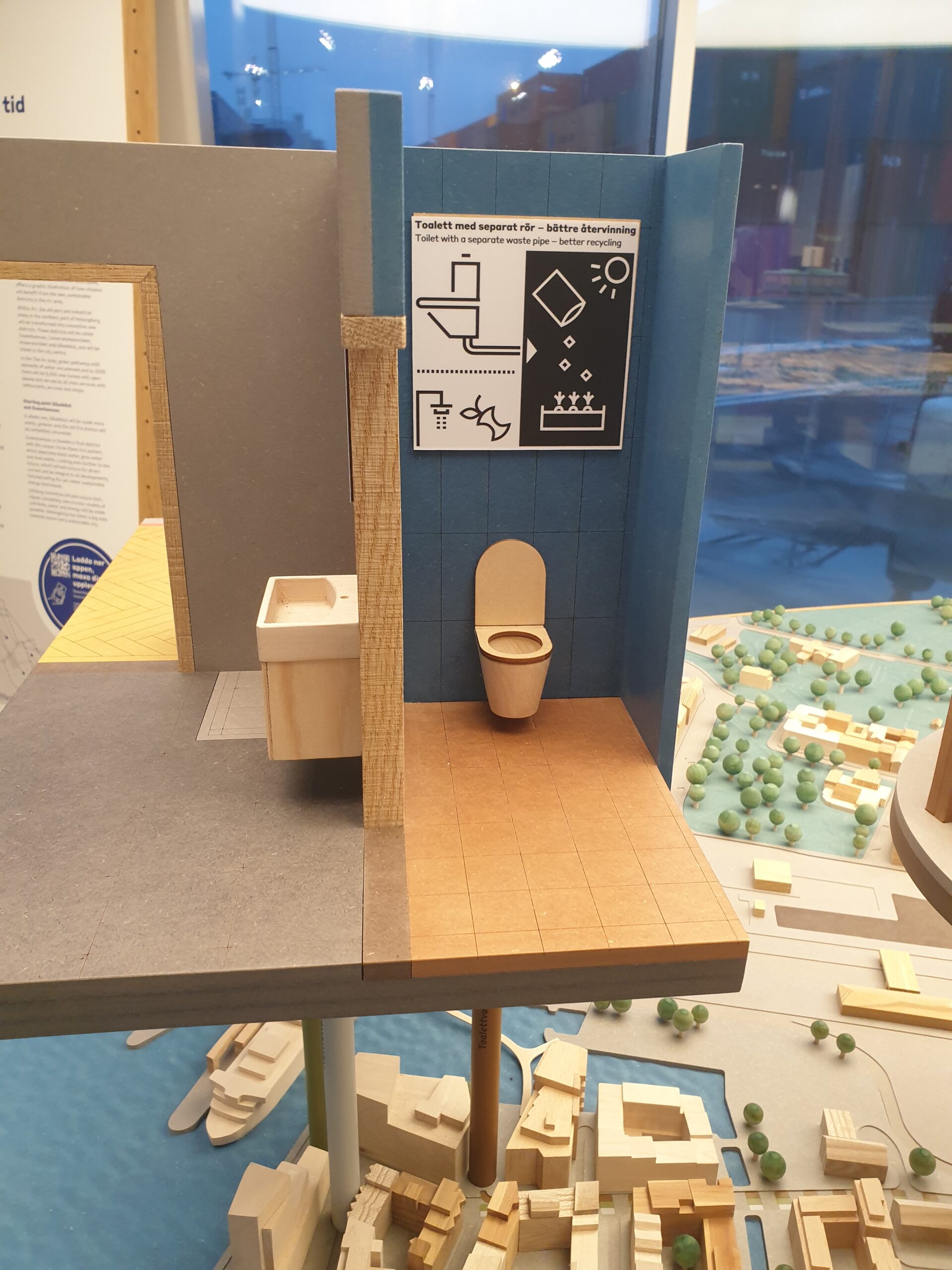
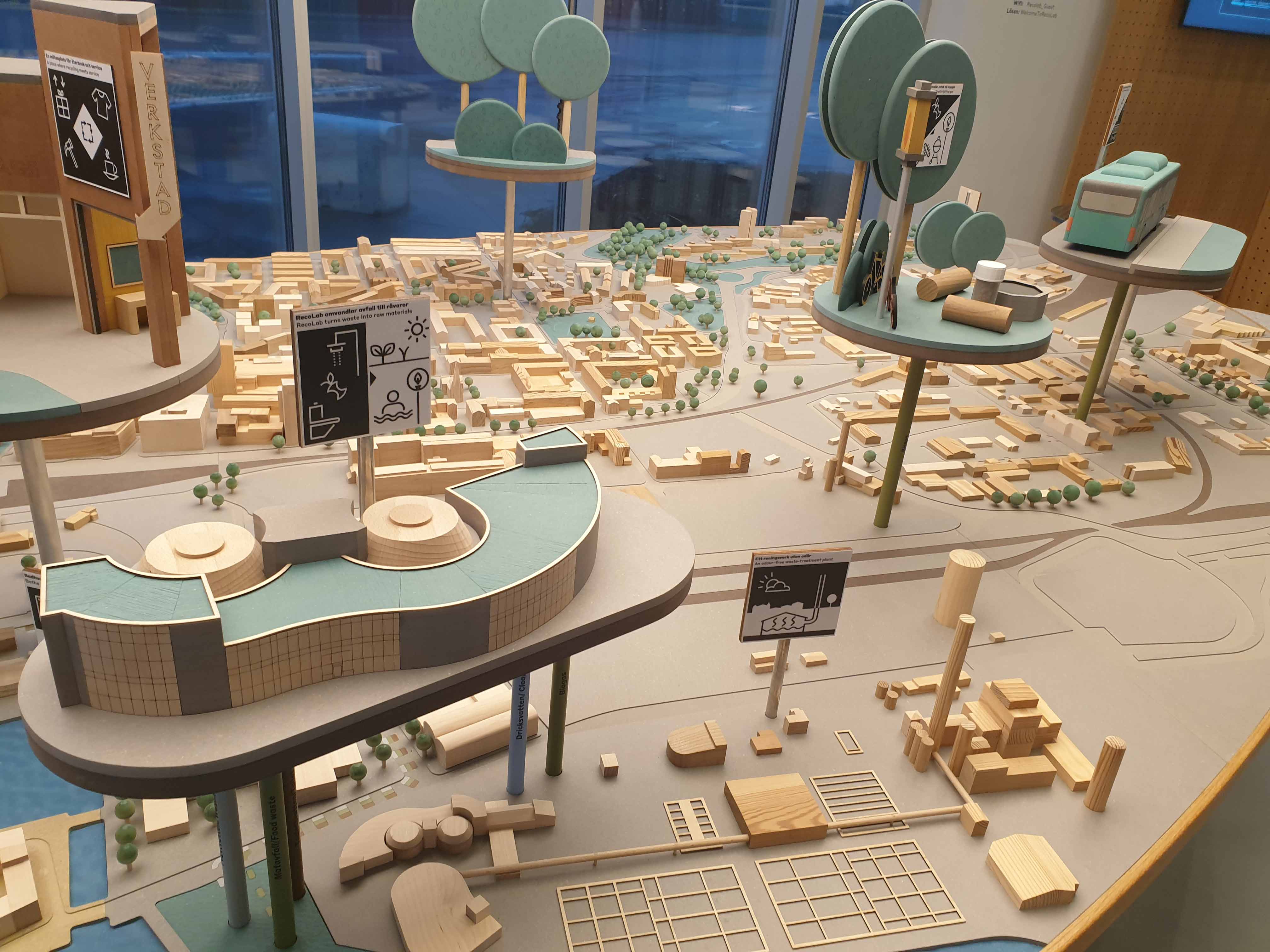
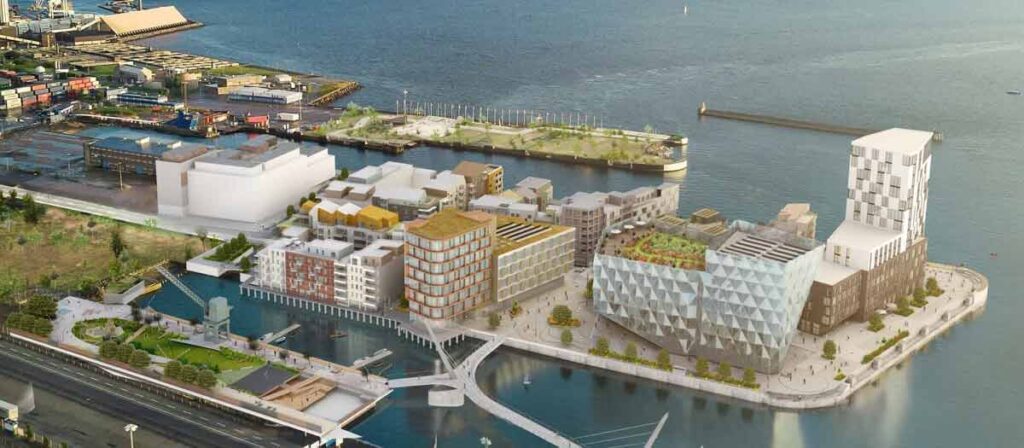
Oceanhamnen in Helsingborg (SE) is a pioneering urban development for 1,500 residents that redefines wastewater as a resource. The project implements a district-scale source-separated system, segregating blackwater, greywater, and food waste at the building level. By utilizing a district-wide vacuum drainage network (Jets® Sanitary vacuum system), the development achieves high-efficiency resource recovery. It integrates advanced treatment (UASB reactors) to produce biogas for city buses and high-quality biofertilizers, transforming a residential area into a circular, cross-sector resource platform.
Ruolo delle soluzioni impiantistiche
Vacuum technology acts as the key system integrator. Unlike gravity systems, vacuum drainage enables ultra-low water consumption (0.7L/flush) and produces highly concentrated blackwater, essential for efficient anaerobic digestion. For building services, it offers radical design flexibility: smaller pipe diameters, independence from gravity gradients, and simplified routing in congested service zones. This infrastructure allows source separation at scale, moving vacuum solutions from a niche application to a core component of sustainable, net-zero urban building services.
Benefici ottenuti e collaborazione tra i soggetti coinvolti
The project achieved an 80% reduction in climate impact compared to conventional systems. Benefits include maximized biogas yield, significant water savings, and enhanced hygiene by eliminating pathogen transmission risks linked to water-seal traps (EN 12109 compliant). Success relied on deep collaboration between manufacturers, utilities, architects, and researchers. Oceanhamnen proves that vacuum systems deliver measurable ESG benefits, proving future-proof for water-stressed environments and establishing a new standard for collaborative, integrated urban planning.
For more information